2026.11.04 Hokkaido-Taiwan Collaboration: Cultivating a University-Centric Semiconductor Hub for the AI Era
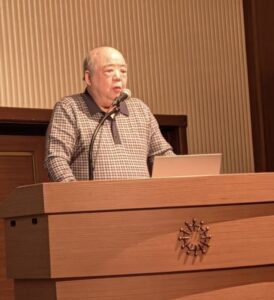
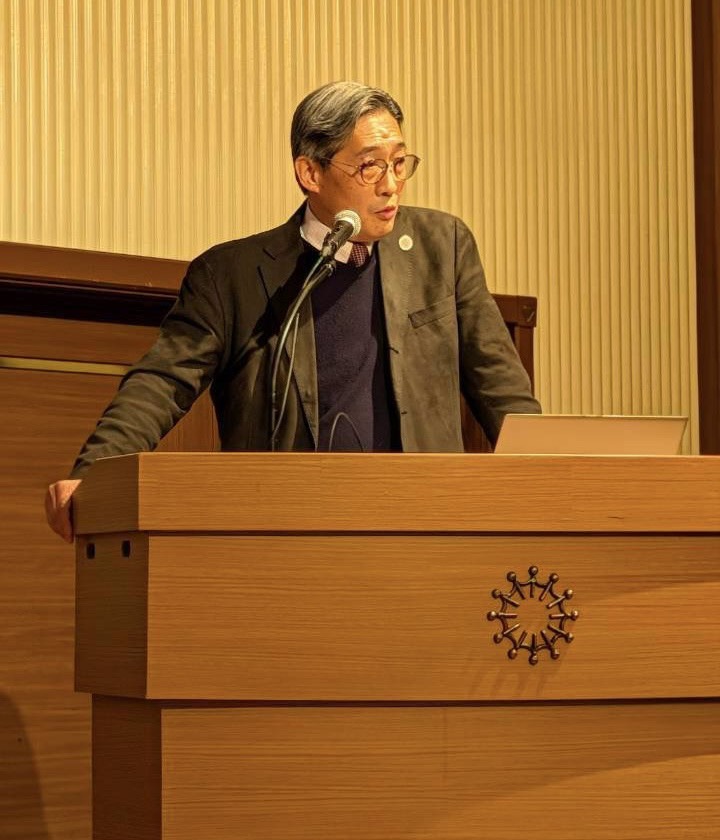
On Nov. 4th, we attended a seminar organized by JETRO Hokkaido at the Keio Plaza Hotel Sapporo, which focused on building a university-centric semiconductor ecosystem in Hokkaido through collaboration between Japan and Taiwan. The sessions featured vibrant discussions and networking between Taiwanese startups spun out of National Yang Ming Chiao Tung University (NYCU) and Japanese AI enterprises. Our conversations centered on the real-world deployment and societal implementation of AI chip use cases, leading to the collective conclusion that enhancing system architecture capabilities and cultivating high-level talent are pivotal to future success. The event concluded with concluding remarks co-delivered by Professor Murayama of Hokkaido University and myself, highlighting the strategic partnership between Hokkaido University and NYCU. Crucial to the sustainability of this ecosystem is the role of universities as a central hub, driving a continuous influx of forward-thinking talent to catalyze cutting-edge technologies and novel industries. To thrive, corporations must transcend an insular, self-reliant mindset and commit to recruiting highly skilled visionary talent at competitive, premium compensation, shifting their focus from merely securing a general workforce to investing in those who can actively architect the future.
2026.11.04 北海道・台湾連携:AI時代に向けた、大学を中核とする半導体拠点の構築
11月4日、私たちは京王プラザホテル札幌で開催されたジェトロ北海道主催のセミナーに参加しました。本セミナーは、日本と台湾の連携を通じ、北海道における大学を中核とした半導体エコシステムの構築をテーマとするものでした。セッションでは、国立陽明交通大学(NYCU)発の台湾のスタートアップ企業と日本のAI企業との間で、活発な議論やネットワーキングが行われました。対話の主な焦点は、AIチップの実社会への展開と社会実装のユースケースに当てられ、今後の成功にはシステムアーキテクチャの能力強化と高度人材の育成が不可欠であるという共通の結論に至りました。イベントは、北海道大学の村山教授と私(寒川教授)による共同の閉会の辞で締めくくられ、北海道大学とNYCUの戦略的パートナーシップの重要性を強調いたしました。このエコシステムの持続可能性において極めて重要なのは、大学が中心的なハブとしての役割を果たし、先見の明のある人材を継続的に呼び込むことで、最先端技術や新規産業の原動力となることです。企業が今後の発展を遂げるためには、閉鎖的な自前主義から脱却し、競争力のある高い報酬を提示して、高度なスキルとビジョンを持つ人材を採用することにコミットしなければなりません。つまり、単に一般的な労働力を確保することから、自ら未来を設計できる人材への投資へと、その焦点を移す必要があるのです。